
18+ only. This guide is general information for adults in Great Britain, not encouragement to gamble. Gambling involves risk; only gamble with money you can afford to lose. For free, confidential support, call the National Gambling Helpline on 0808 8020 133, 24 hours a day.
Key points
- Blackjack is a card game played against the dealer, with the aim of reaching a hand value of 21 without going over.
- Insurance is a side bet of up to half your original stake, offered when the dealer shows an ace, which pays 2 to 1 only if the dealer has blackjack.
- Rules such as whether the dealer hits soft 17, and what a natural blackjack pays, change the house edge between tables that look identical.
- Online slots stake limits of £5 for adults aged 25 and over and £2 for ages 18 to 24 do not apply to blackjack or other table games.
- The house edge means the casino expects to keep a percentage of everything staked over normal patterns of play, and no term or tactic removes it.
Blackjack looks simple from a distance: cards, chips and a dealer calling out short instructions. The Gambling Commission describes it as a card game played for stakes where the aim is to build a hand worth 21 without going over that total. The language at the table is just as compact, and rounds move quickly enough that an unfamiliar word can leave you guessing. This glossary covers the terms a beginner is most likely to meet, then explains how payouts and house rules quietly change the odds.
The basics: cards and actions
Hand. The set of cards a player or the dealer has in play during a round. It can also describe the situation you are in, as in a strong hand or a weak one.
Ace. A card that can be counted as either 1 or 11. This flexibility is what creates soft hands.
Hit. To ask the dealer for another card. If the extra card takes your total over 21, you bust.
Stand. To take no further cards and finish the round with the total you already have.
Bust. A hand that exceeds 21. The individual card that pushes a hand over 21 is sometimes called a bust card.
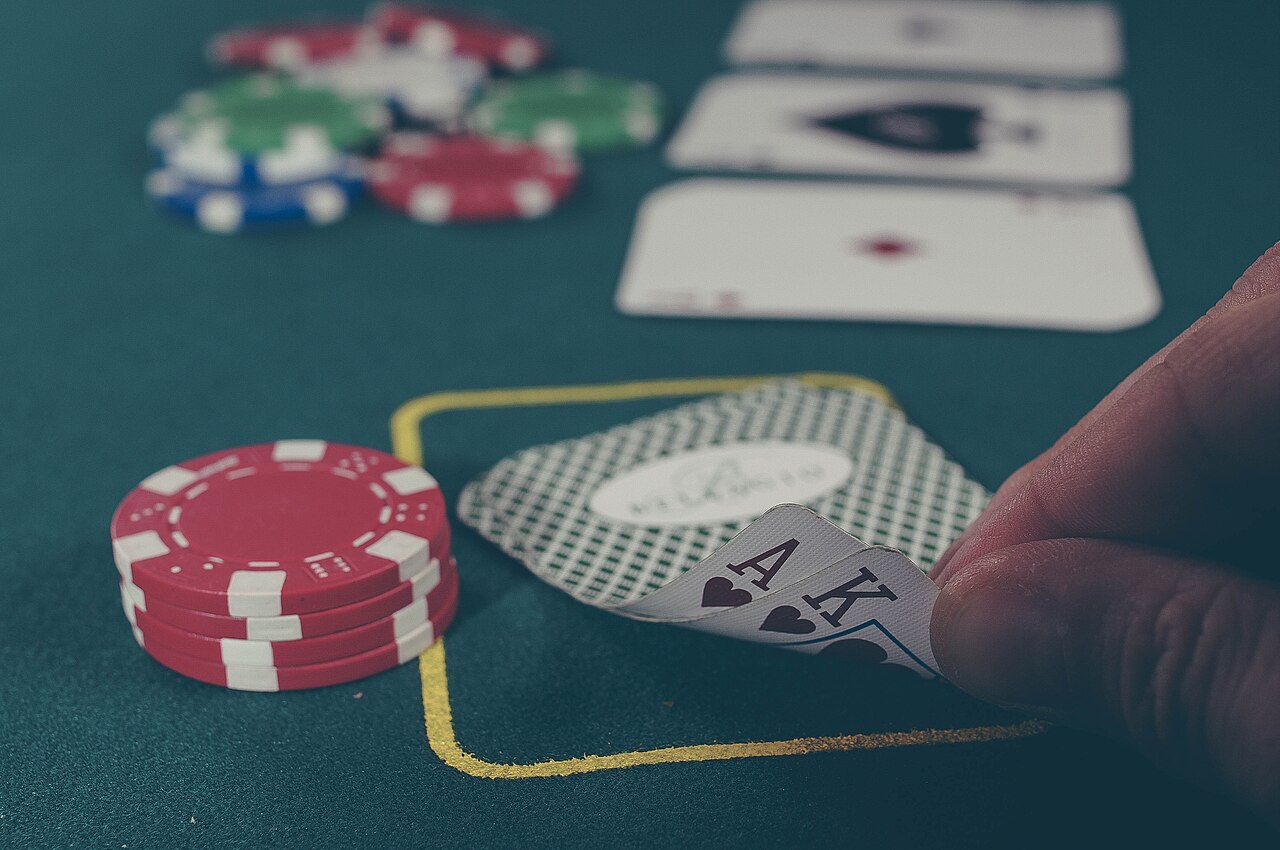
Natural blackjack. A two-card hand made up of an ace and a 10-value card, meaning a 10, jack, queen or king. It is the strongest starting hand in the game and, at most tables, pays more than an ordinary win.
Push. A tie, where player and dealer finish with the same total below 22. The bet is returned.
Soft hand. A hand that includes an ace counted as 11 rather than 1. Because the ace can drop to 1 when you draw a high card, a soft hand is harder to bust.
Doubling, splitting and surrendering
Double down. Doubling your original bet and receiving one, and only one, more card. The move is available only as a decision on your first two cards.
Split. When your first two cards are of the same rank, you can play them as two separate hands, putting up a bet on each one.
Surrender. Abandoning your hand and recovering half of your initial bet. It is available only as your first and only action, and not every table offers it.
Insurance and even money
Insurance. A side bet offered when the dealer’s upcard is an ace. You can wager up to half the value of your original bet; it pays 2 to 1 if the dealer has blackjack and is lost if the dealer does not.
Even money. If you hold a natural and the dealer shows an ace, you can take a guaranteed 1 to 1 payout instead of waiting to see the dealer’s hole card. It is a version of insurance rather than a different bet.
Side bets deserve a second look before you place them. Insurance only pays in the specific case where the dealer’s hole card completes a blackjack, and the even money option trades the chance of a larger return for a certain one. Knowing exactly what you are betting on is part of understanding the game.
Dealer rules and the table layout
Upcard. The card the dealer is showing. It is the reference point for every player decision.
Hole card. The dealer’s face-down card, dealt face down and not revealed until after players have acted on their hands.
First base. The betting spot to the dealer’s left, which receives the first card dealt each round.
Third base. The spot on the dealer’s right. The player seated there acts last before the dealer plays out the hand.
Shoe. A device that holds and dispenses multiple decks of cards. Shoe games typically use more than two decks; games dealt from the dealer’s hand usually use one or two.
Payout terms on the layout
The printed layout tells you what each outcome pays. A regular winning hand pays even money, sometimes called even odds: you receive the same amount as your original bet. A natural blackjack pays at fixed odds printed on the table, and some tables pay less for a natural than others. Where the payout is lower, the difference goes straight into the house edge, the measure of the percentage a casino expects to keep, on average, from each hand given normal patterns of play. Read the layout before you sit down, because two tables that look identical can carry different payouts. We explain the maths in more detail in our guide to the house edge.
Why house rules change the odds
Soft 17. A rule about whether the dealer must draw another card when holding a soft 17, an ace counted as 11 plus a 6. A game where the dealer hits soft 17 generally gives the house a little more advantage.
Basic strategy. The set of recommended decisions for each combination of your hand and the dealer’s upcard. It offers the best odds off the top of the deck, and the correct plays shift when different house rules apply.
These terms matter because the rules attached to a table change the game itself. The number of decks, whether the dealer hits or stands on soft 17, whether surrender is offered and what a natural pays all feed into the house edge. None of this makes blackjack a way to make money. The house edge means that, over normal patterns of play, the casino expects to keep a share of everything staked, and no playing decision removes it.
Playing online in Great Britain
Online blackjack uses the same vocabulary, with buttons for hit, stand and double down instead of spoken calls. The pace can differ from a live table. In the Gambling Commission’s survey of online casino games, 13 percent of respondents who played virtual blackjack reported it as too fast, against 10 percent who found it too slow, so it makes sense to see whether a game’s speed suits you before staking.
It is also worth knowing which rules do and do not apply. The stake limits that cap online slots at £5 for adults aged 25 and over, and £2 for adults aged 18 to 24, do not extend to blackjack or other table games. That makes your own safeguards more important: check that a site holds a Gambling Commission licence using our guide to checking a casino’s licence, and set deposit or loss limits before you play, as our article on setting gambling limits explains.
Useful tip
Online slots stake limits do not apply to blackjack. Decide in advance how much you are comfortable losing in a session, and use deposit limits or reality checks to hold to it.
Learning the lingo will not change the odds, but it does help you see which decisions and which rules carry weight at the table. For how the maths works across casino games more broadly, our explainer on how online slots work covers return to player, randomness and volatility in the same plain terms. And if gambling has stopped feeling like something you control, our page on problem gambling signs and support sets out where to find free, confidential help.
Questions answered
What does a soft hand mean in blackjack?
A soft hand is one that includes an ace counted as 11 rather than 1. Because the ace can drop to 1 when you draw a high card, a soft hand is harder to bust.
What is the difference between the upcard and the hole card?
The upcard is the card the dealer is showing, and it guides every player decision. The hole card is the dealer’s face-down card, revealed only after players have acted on their hands.
What does even money mean?
If you hold a natural blackjack and the dealer shows an ace, you can take a guaranteed 1 to 1 payout instead of waiting for the dealer’s result. It is a version of insurance rather than a separate bet.
Do blackjack table rules affect the odds?
Yes. The number of decks, whether the dealer hits soft 17, whether surrender is offered and what a natural pays all feed into the house edge, which is the casino’s average share of everything staked.